
This post may contain affiliate links. If you click through and make a purchase, we may earn a small commission at no extra cost to you.
Introduction
When your baby is awake, alert, and taking in the world, those minutes feel precious—but they can also leave you wondering what to do next. Understanding baby wake window activities is the first step to making the most of these moments. Instead of just waiting for the next nap, you can fill that time with simple, development-boosting activities. From sensory play and tummy time to singing and gentle movement, these easy ideas help you bond with your little one while supporting healthy infant development. Whether you’re navigating newborn wake windows that last 45 minutes or stretching to two hours with an older infant, this guide will show you exactly how to turn awake time into quality time.
Understanding Wake Windows
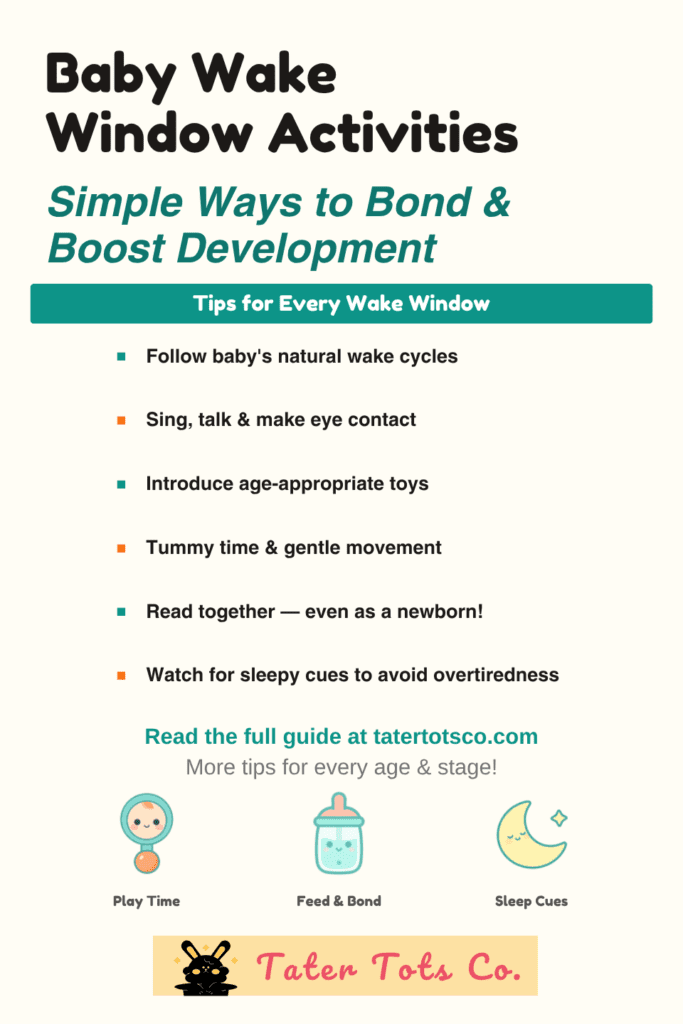
New parents often find the idea of a “wake window” really helpful. This is simply the amount of time a baby can comfortably stay awake between naps. For a newborn, this might be as short as 45 to 60 minutes. An older infant, though, might be happy and alert for two or three hours. Paying attention to these rhythms helps you meet your baby’s needs before they get overtired and fussy.
Learning to read your baby’s sleep cues, like yawning, rubbing their eyes, or getting a distant look, is a skill that develops over time. When you start to see these signs, you know the wake window is closing. However, during that happy and alert time, you can engage in simple activities. Understanding the typical length of newborn wake windows can be a great starting point for structuring your day, but remember that every baby is different. Your little one is the ultimate guide. The goal isn’t to cram activities into every waking moment, but to offer gentle stimulation that helps them learn about their world and the people in it.
Sensory Exploration for Infants
Babies learn about the world mostly through their senses. You don’t need fancy, expensive toys to create a rich sensory environment. Your home is already full of interesting things to see, hear, and feel. Focusing on simple sensory play is a wonderful way to engage your infant during their alert periods. This kind of interaction is foundational for infant sensory development and helps build crucial neural connections in the brain.
Here are a few simple ideas to get you started:
- Sight: Newborns are fascinated by high-contrast images. You can use black-and-white flashcards, books, or even just a striped shirt you’re wearing. A baby-safe mirror is also fantastic. They won’t recognize themselves for many months, but they will be captivated by the face looking back at them.
- Touch: Let your baby experience different textures. Gently guide their hand over a soft chenille blanket, a bumpy silicone teether, a smooth wooden block, or the cool surface of a window. A “treasure basket” with a few safe, texture-rich items can provide endless fascination as they get older.
- Sound: You are your baby’s favorite sound! Talk to them, narrate your day, and make silly noises. Simple instruments like a soft rattle or a crinkly toy are also great. Pay attention to everyday sounds and name them: “Do you hear the water running? That’s the sink.”
Simple Tummy Time Fun
You’ve probably heard that tummy time is essential, and it’s true. This simple activity is a powerhouse for development, strengthening the neck, shoulder, and back muscles your baby needs for future milestones like rolling over, sitting up, and crawling.
Of course, many babies protest tummy time at first. The key is to make it a positive and engaging experience. Instead of just placing them on a mat and walking away, get down on the floor with them. Make eye contact, smile, and talk to them. This reassures them that they are safe and makes the activity about connection. You can also place a rolled-up receiving blanket under their chest for extra support. A baby-safe mirror or a favorite toy placed just in front of them can provide a fun distraction and encourage them to lift their head. Tummy time can even happen on your own chest as you recline on the couch, which is a cozy and comforting way to build strength.
And Singing Together
You don’t need to have a perfect voice to sing to your baby. In fact, to your little one, your voice is the most beautiful sound in the world. Singing is a powerful tool for bonding and development that requires no cost and can be done anywhere. It exposes your baby to the rhythm and melody of language, which lays a foundation for their own communication skills. Research even shows that music and singing can have a positive impact on an infant’s brain development and emotional regulation.
Incorporate singing into your daily routines. You can sing a cheerful song during a diaper change, a soothing lullaby before a nap, or a silly tune during playtime. Nursery rhymes like “Twinkle, Twinkle, Little Star” or “The Itsy-Bitsy Spider” are classics for a reason; their simple melodies and repetitive nature are easy for babies to process. Don’t be afraid to make up your own songs, either. Singing about washing their toes in the bath or putting on their socks makes a mundane task feel special and fun. The content of the song is less important than the loving interaction and connection it creates between you and your child.
Gentle Movement for Development
Gentle, playful movement is another wonderful way to interact with your baby during their newborn wake windows. These activities help them develop body awareness, coordination, and gross motor skills. It’s also a fun way to connect physically and can even help relieve common discomforts like gas. Always ensure your movements are slow, gentle, and responsive to your baby’s cues. If they resist or seem uncomfortable, it’s time to stop and try something else.
A classic activity is “bicycle legs.” With your baby lying on their back, gently hold their ankles and slowly move their legs in a bicycling motion. This is great for promoting coordination and can help move gas bubbles through their system. You can also do gentle stretches, slowly extending their arms out to the side or up over their head, always watching for their reaction. As they gain more head control, you can practice supported sitting by propping them up with pillows or holding them on your lap. These simple exercises are important for supporting infant motor skills and helping your baby learn how their own body can move.
Making the Most of Every Baby Wake Window
Finding the right baby wake window activities doesn’t require a perfect schedule or expensive toys. It simply requires your presence. Whether you’re exploring textures during sensory play, singing through a diaper change, or sharing a few minutes of tummy time on the floor, these small moments of connection build the foundation for your baby’s development and your bond with them.
Remember, your baby is the best guide. Watch their cues, follow their lead, and don’t pressure yourself to fill every single minute. Sometimes the most valuable activity is simply being together, talking, smiling, and letting them discover the world from the safety of your arms. These wake windows are fleeting, but the love and trust you build during them will last far longer.
Enjoy these moments—they are exactly where the magic happens.
🔐 Unlock The Secret Vault
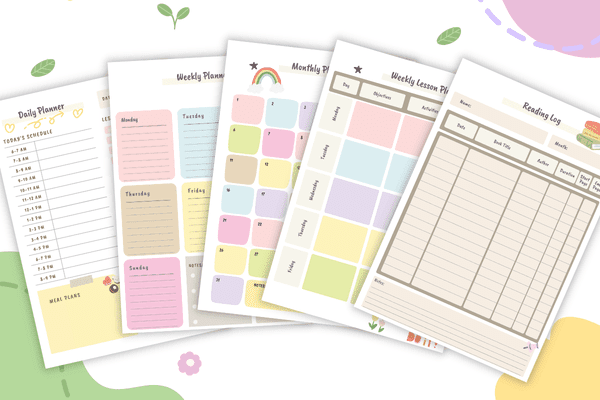
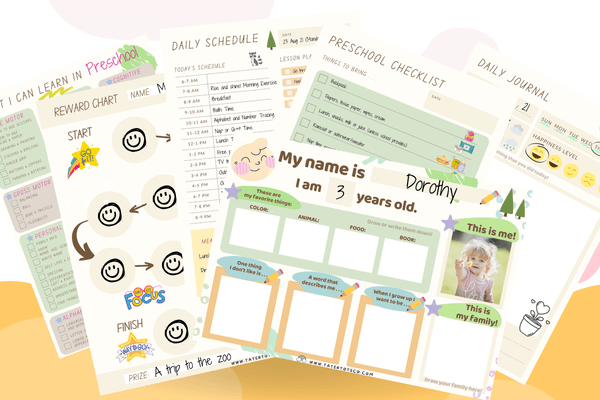
10 free printables for kids & parents — including our Preschool Preparatory Pack, Homeschool Planner Sample & more!
Join 2,000+ subscribers getting instant access to printable worksheets, planners, and learning resources.
Enter your details — we'll send your vault password instantly!